


Request a quoteRequest a quote
Contact Contact

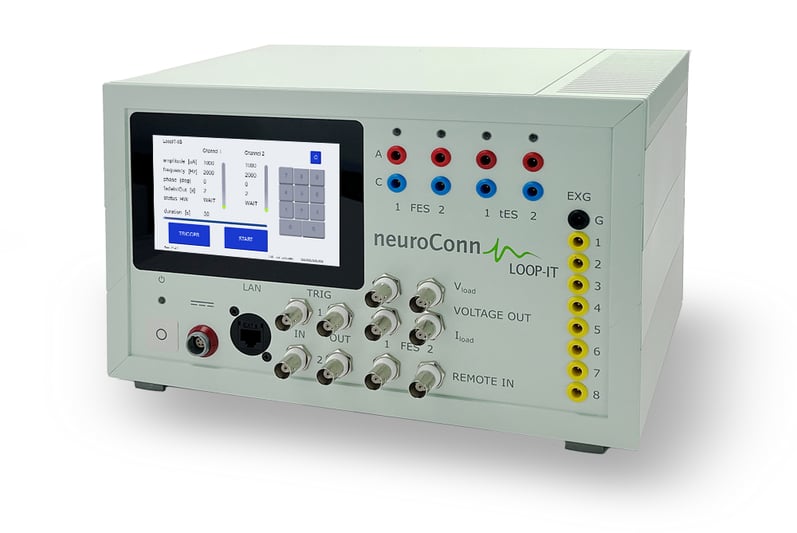
LOOP-IT FES

by neuroConn Technologies

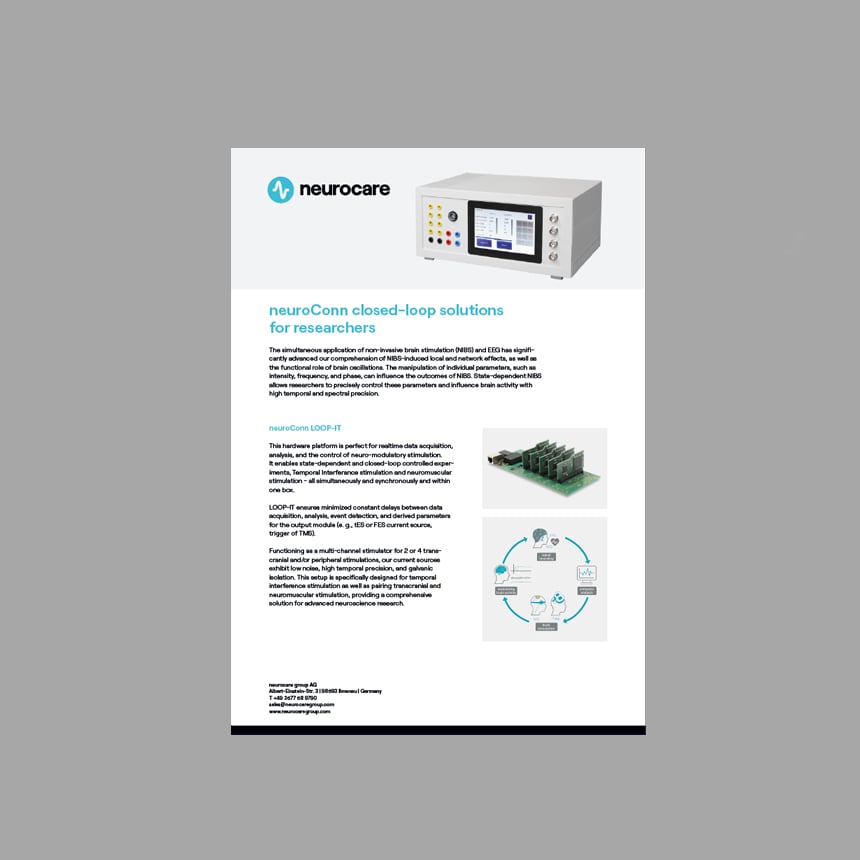
all-in-one solution for highly synchronized transcranial, peripheral and paired-associative closed-loop experiments 

neuroconn-closed-loop-solutions
Closed-Loop application
LOOP-IT_FES_1.1
Closed-Loop - Live
LOOP-IT_FES_2.1
Short description of the slide.
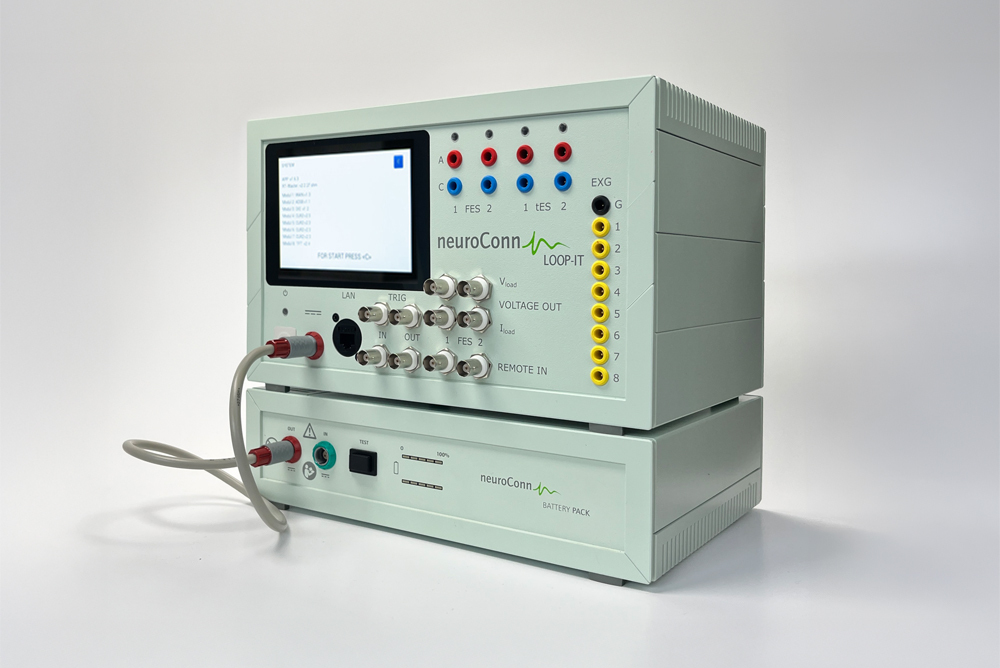
LOOP-IT FES_1_Akkupack_Display an
Short description of the slide.
neuroconn_loop-it_closed-loop
LOOP-IT - variable and customizable
LOOP-IT_Phase_Webpage
Loop_IT_TIS_Webpage
Loop_IT_TIS_Webpage
LOOP-IT_FES_Webpage
LOOP-IT_FES_Webpage

Features

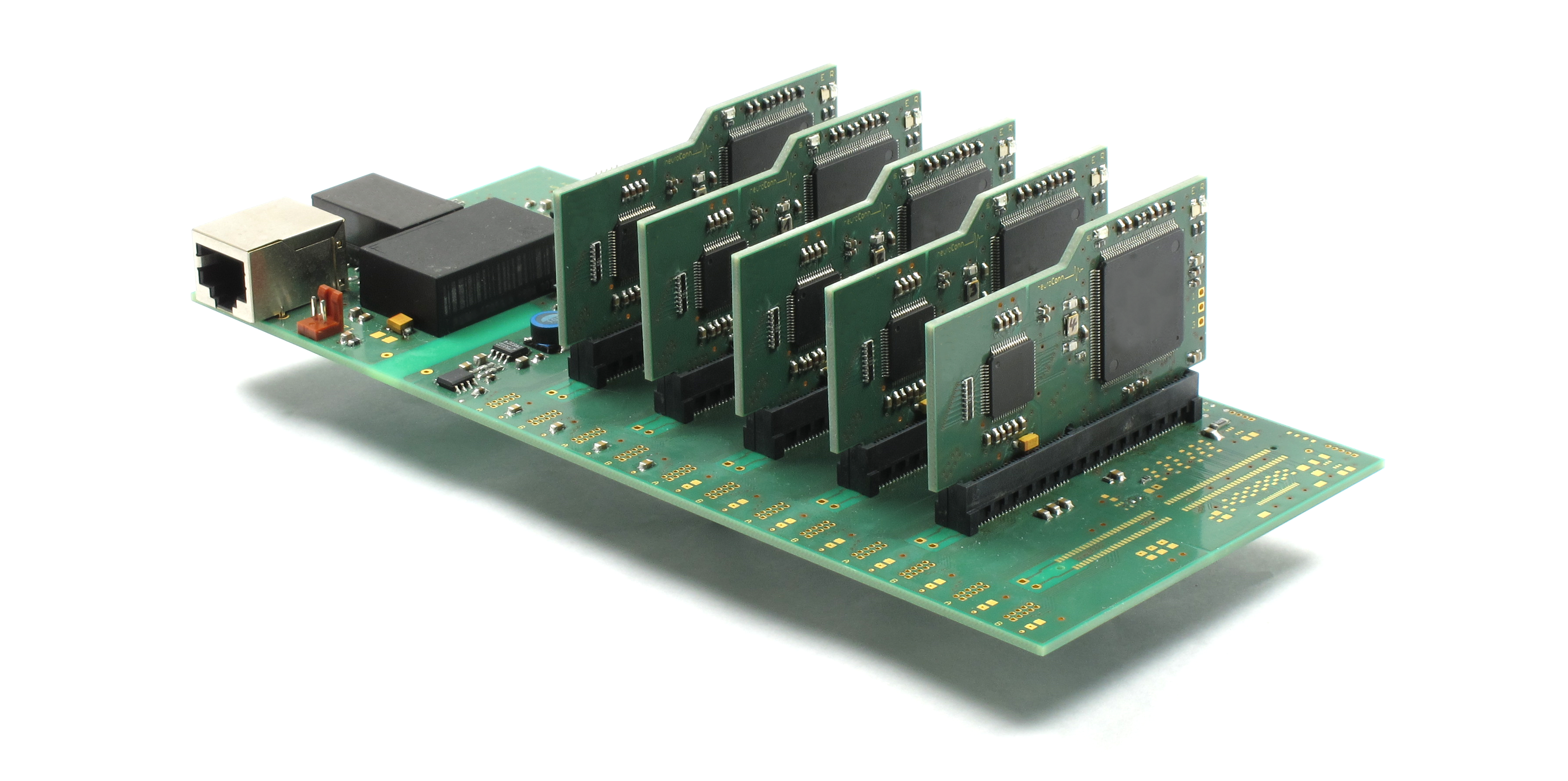
Galvanically ilsolated modules with different functionality:
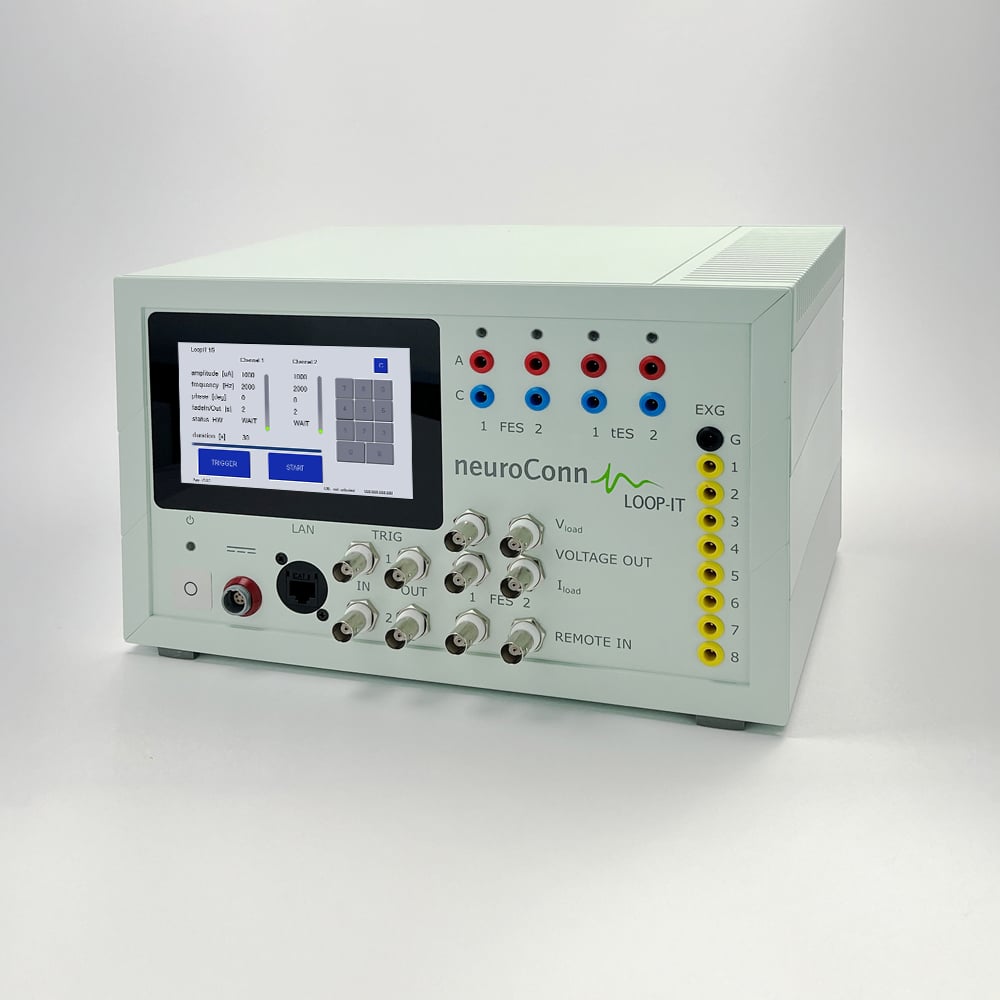
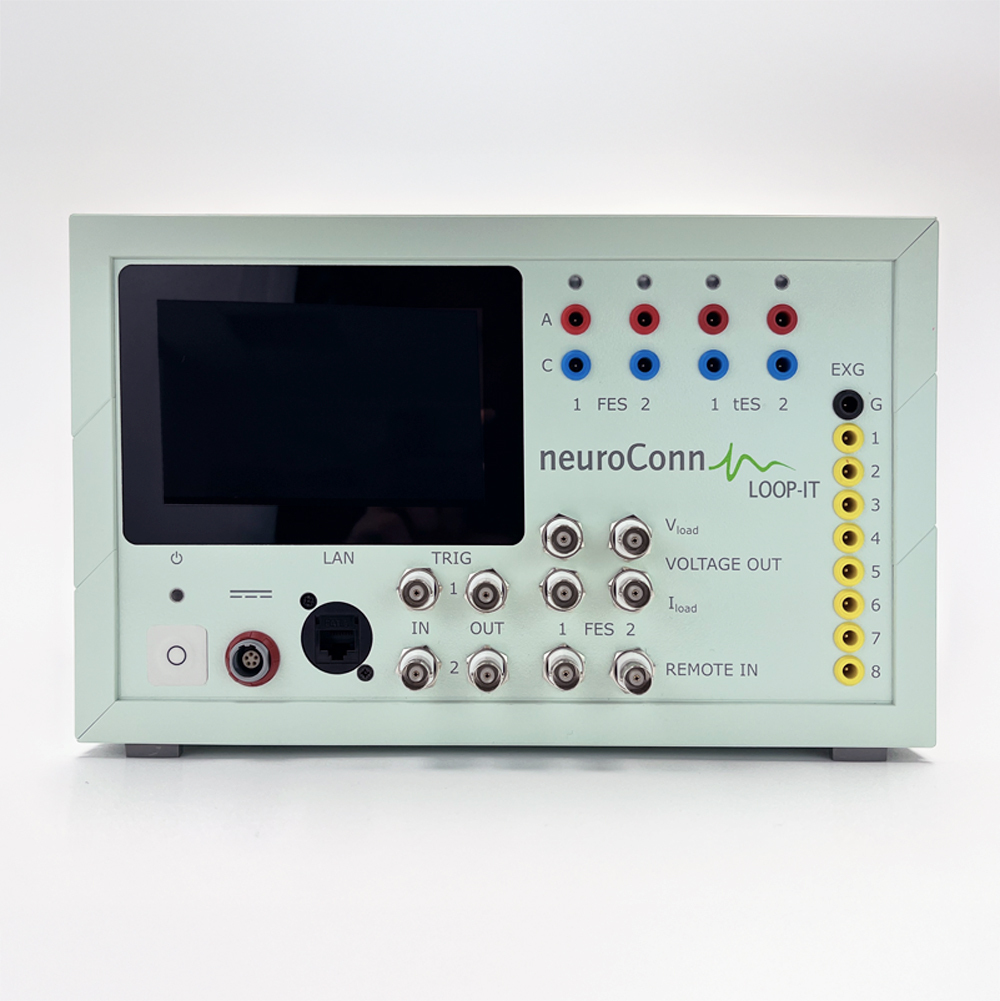
EXG & DIO (8x EXG, 1x DIO)
  • eight channel EXG (EEG, ECG, EMG) recording 
  • digital triggering input & output  (DIO)
  • towards personalised therapeutic brain-state dependent therapies in rehabilitation and psychiatry
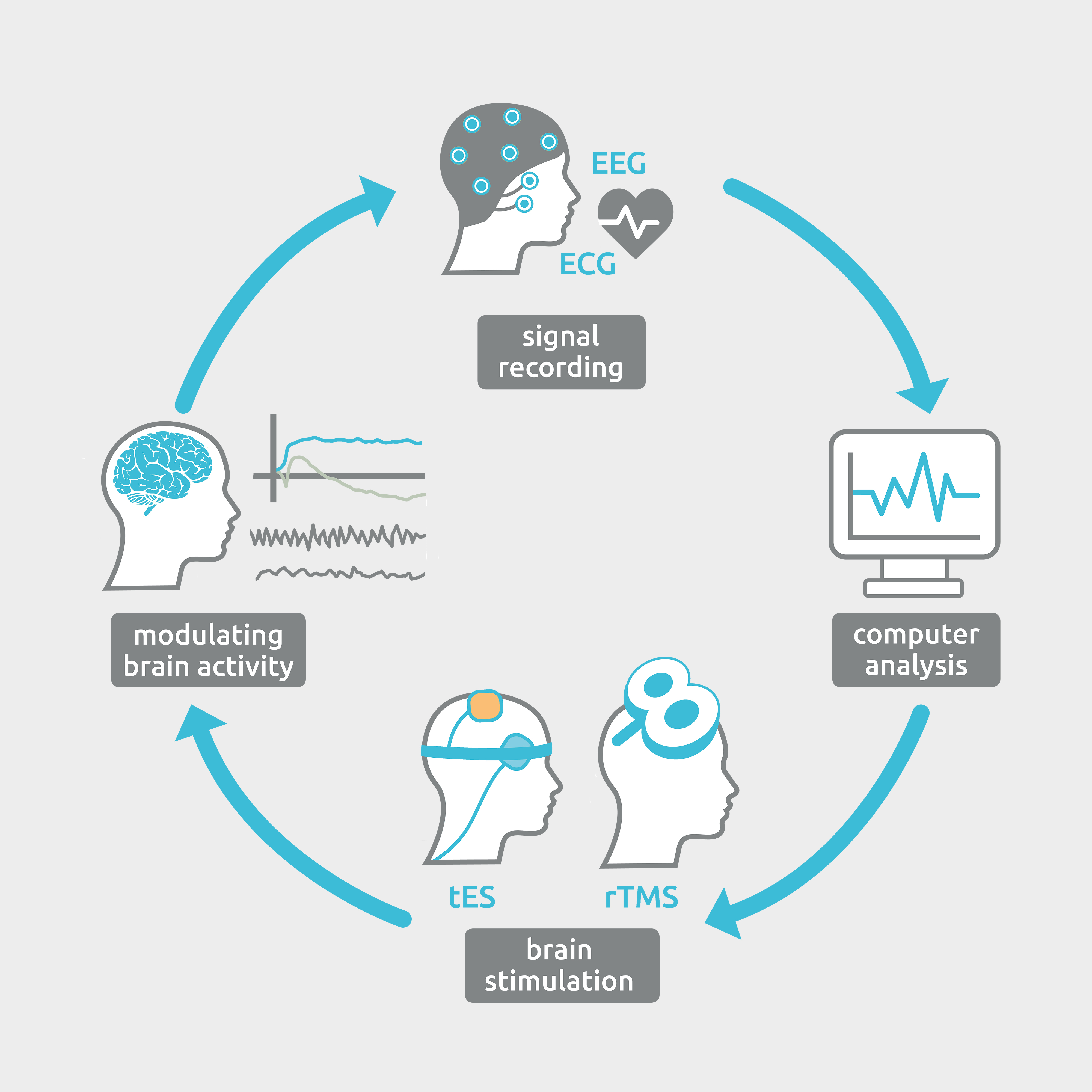
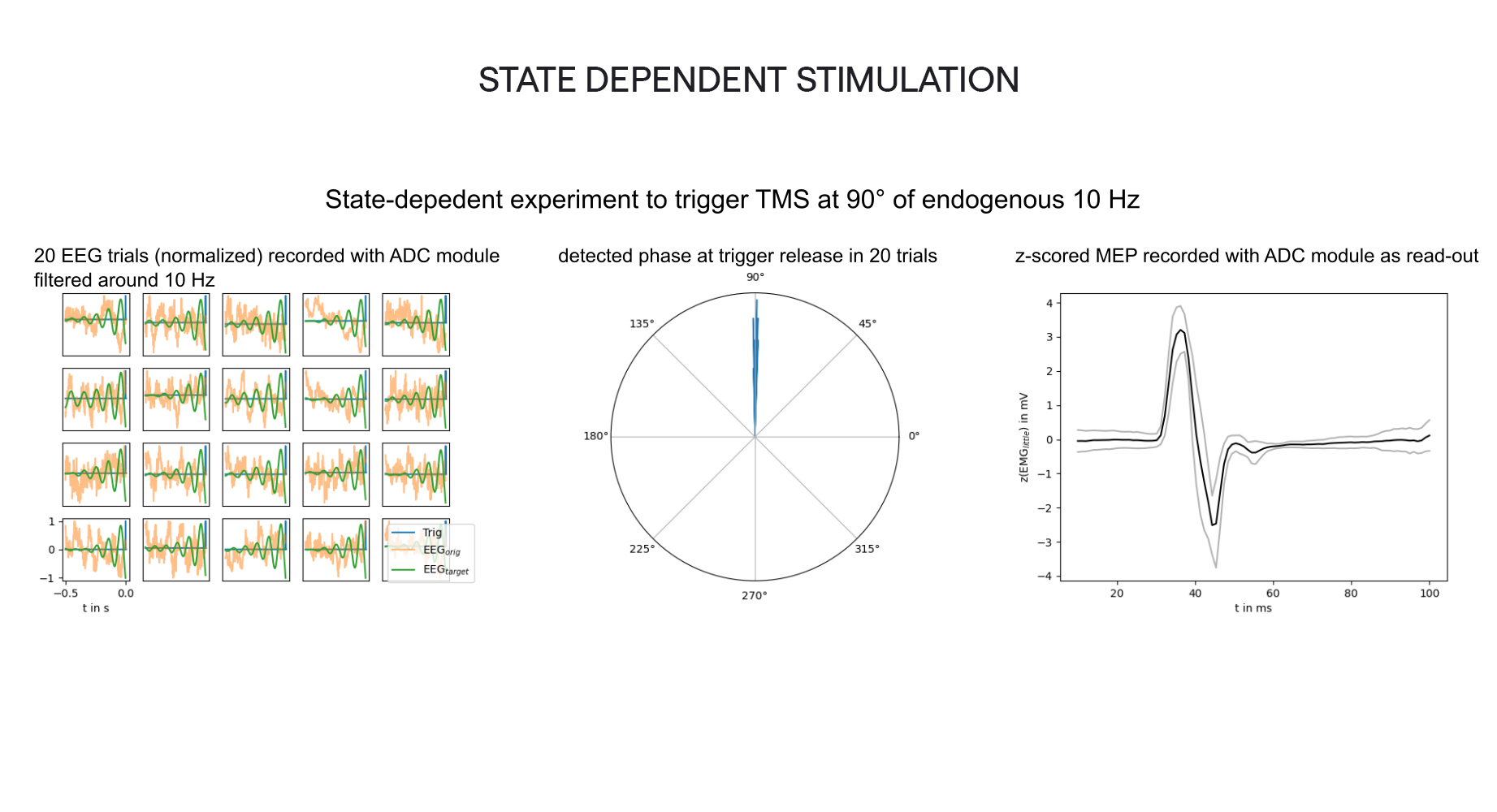
  • we provide a system enabling state-dependent and closed-loop controlled experiments in a stable time regimen with 1 - 3 ms turn-around time
    • data acquisition of ExG (EEG, ECG, EMG), 3-axis acceleration 24 bit / 1 kHz
    • data analysis of amplitude, frequency, latency, phase
    • modulation and control of the actuators tES / NMES / TMS
    • EEG / ECG / EMG biosignal acquisition (up to 1 ksps)
    • multichannel digital I/O interface (e. g. TMS, event-related potentials)

NIBS (2x tES)
  • dual channel tES 
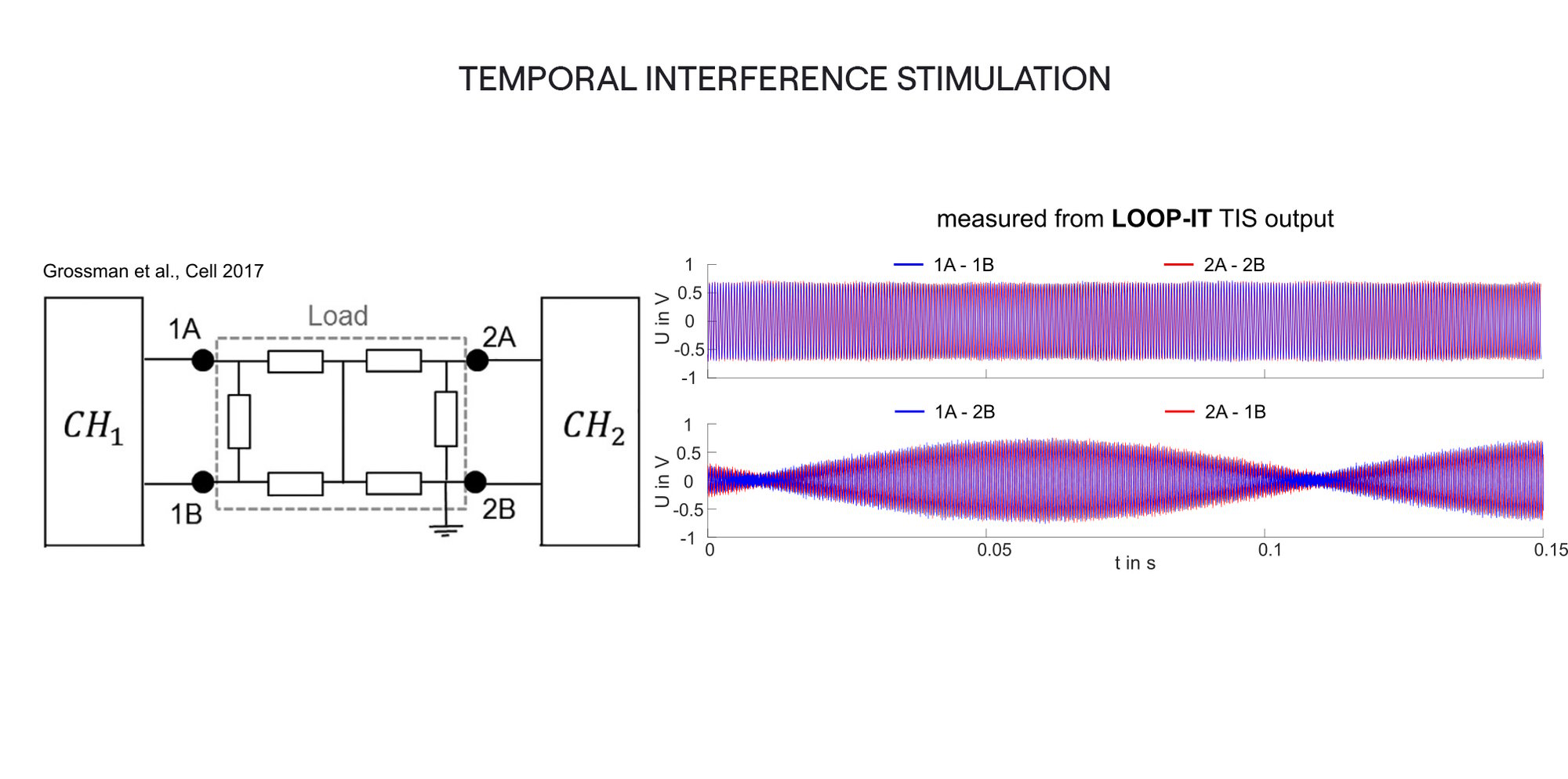
  • temporal interference stimulation for enabling targeted structures deep inside the brain by steering the electric fields of maximum amplitude modulation
  • features of the tES current source:
    • tDCS / tACS / tRNS waveforms
    • low 1/f noise,­ < 5 mA peak-to-peak, < 5 kHz bandwidth


NMES (2x NMES)
  • dual channel NMES / FES
  • voltage controlled REMOTE INPUT 
  • features of the NMES / FES current source:
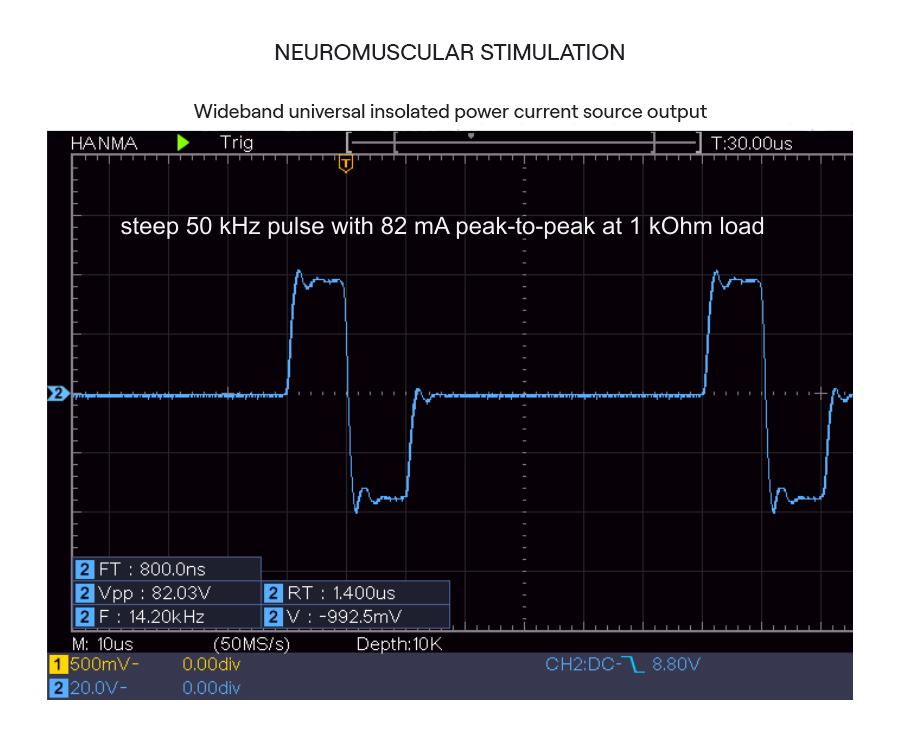
    • constant current source for generating short, steep current pulses or pulse trains, e. g. for experiments with charge-balanced symmetric or asymmetric currents
      • any sort of AC (or DC) current waveform possible (software-defined)
      • innovation: max. 200 mApp (up to 70 V), rise time < 2 μs
    • up to 300 kHz (3 dB)
    • isolated voltage output, proportional to the output current for monitoring purposes
  • phase-dependent modulation of human corticospinal plasticity by associative pairing of transcranial and neuromuscular stimulation (tES & NMES)


Additional sensor interfaces for non-electrical biosignals
  • e. g. movement, breathing, blood flow, temperature

Medical-grade hardware design
Standard interface and compact design
Direct access to hardware parameters via a supplied library (Python, RALGOL, C++)
  • control a LOOP-IT FES device from a host PC, script it for real-time experiments, and monitor its output (LSL)
  • LOOP-IT external interface  documentation

Integratable into BRAINSIGHT TMS  and ElevateTMS 

Applications

Conventional applications on TMS
  • Collecting EMG for MEP investigations during TMS for read out on M1
  • Collecting ECG for HR investigations during TMS for read out on DLPFC
  • Collecting EEG for TEPP investigations during TMS for read out on the whole brain

Applications of brain-state depended on or closed-loop Stimulation
  • Increasing corticospinal excitability by dynamically selecting stimulation phase and intensity based on the current brain state
    • Heiss C. et al. (2026). Closed-loop adaptation of transcranial magnetic stimulation intensity with electroencephalography feedback, Neuroimage

External Trigeminal Nerve Stimulation (eTNS)
  • External trigeminal nerve stimulation (eTNS) is an emerging noninvasive neuromodulation technique that modulates brain network activity implicated in multiple neuropsychiatric disorders through the application of low-intensity electrical currents to the frontal branches of the trigeminal nerve 


Applications of combined transcranial and peripheral Stimulation 
  • synchronized transcranial electrical (tACS) and peripheral neuromuscular stimulation
  • FES/NMES synchronized tACS + FES/NMES under timing control. 
    • Tashiro et al. (2024). Synchronized application of closed-loop NMES and precision tACS in post-stroke hand rehabilitation,  Ther Adv Chronic Dis.
  • EEG-timed NMES.  
    • Schütz S. & Gharabaghi A. (2026). EEG-timed neuromuscular stimulation shapes ipsilateral TMS-evoked motor responses in humans, Clinical Neurophysiology Practice
    • Askarikhomami S., Gharabaghi, A (2026) Phase-targeted peripheral stimulation modulates cortical sensorimotor responses, NeuroImage


Applications of temporal interference stimulation (TIF, tTIS)
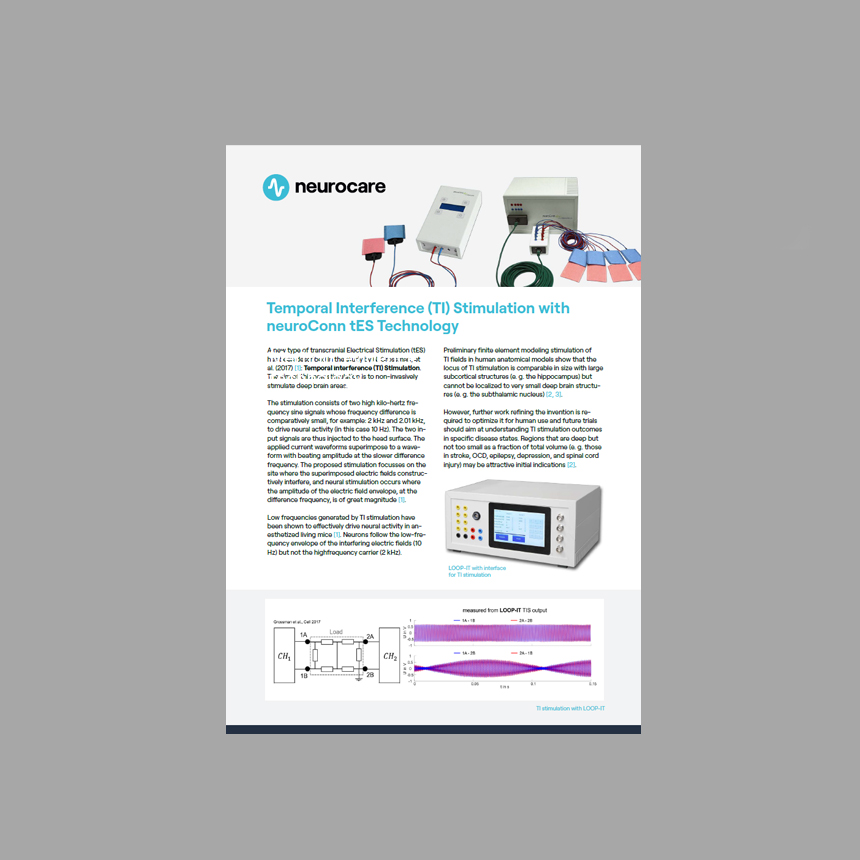
  • Temporal interference stimulation for enabling targeted structures deep inside the brain by steering the electric fields of maximum amplitude modulation
  • LOOP-IT enables research-grade Temporal Interference Stimulation (tTIS) for non-invasive modulation of deep brain networks, supporting emerging applications in Parkinson's disease, memory, depression, epilepsy, motor control, and personalized neuromodulation. 
    • Grossman, N. et al. (2017). Noninvasive Deep Brain Stimulation via Temporally Interfering Electric Fields. Cell
    • Demchenko, I. et al. (2025). Human Applications of Transcranial Temporal Interference Stimulation: A Systematic Review. Brain Stimulation
    • Esmaeilpour, Z. et al. (2024). Temporal Interference Stimulation: Mechanisms, Modeling and Human Translation. Brain Stimul.
    • Missey, F. et al. (2025) Non-invasive temporal interference stimulation of the hippocampus suppresses epileptic biomarkers in patients with Epilepsy: biophysical differences between kilohertz and amplitude modulated stimulation, Brain Stimulation

Application on synchronised peripheral recording and tES
  • Investigation on Tremor Detection and Phase-Synchronous Control of tES Current Sources. 
    • Fatemeh Sadeghi (2024). Multimodal Investigation of the Cerebello-thalamo-cortical Network in Parkinson’s Disease Tremor, Dissertation UKE

Applications in research in high-frequency electrical stimulation
  • High-frequency alternating current (HFAC), or kilohertz-frequency stimulation, uses electrical signals in the 1-100 kHz range to alter neural activity without necessarily triggering action potentials. It can suppress, block, or modulate nerve function depending on the stimulation parameters and target tissue. In peripheral nerves, HFAC is best known for producing a rapid, reversible conduction block, making it a promising therapy for conditions such as chronic pain, spasticity, and bladder dysfunction. More recently, transcranial electrical and magnetic HFAC approaches have shown potential for non-invasive modulation of brain excitability and neural oscillations.

  • References on transcranial stimulation
    • Negahbani E. et al. (2018). Targeting alpha-band oscillations in a cortical model with amplitude-modulated high-frequency transcranial electric stimulation. Neuroimage 
    • Labruna, L. et al. (2025). Kilohertz Transcranial Magnetic Perturbation (kTMP): A New Non-invasive Method to Modulate Cortical Excitability eLife
    • Reber, P. et al. (2026). Amplitude-modulated kilohertz stimulation targeting beta-band activity disrupts motor learning bioRxiv

  • References on peripheral stimulation
    • Peña, E. et al. (2025). Ramped kilohertz-frequency signals produce nerve conduction block without onset response J. Neural Eng.
    • Opančar, A. et al. (2025). The same biophysical mechanism is involved in both temporal interference and direct kHz stimulation of peripheral nerves. Nat Commun 


Acoustoelectric neuromodulation
  • By combining focused ultrasound and electrical stimulation to investigate localized electric field generation at the ultrasound focus. 
    • Rintoul, J. L. et al. (2026). Non-invasive in vivo acoustoelectric neuromodulation and its contribution to ultrasound stimulation. Nature Communications


Phrenic Nerve Stimulation
  • Keogh, C. et al. (2022), Non-invasive phrenic nerve stimulation to avoid ventilator-induced diaphragm dysfunction in critical care. Artif Organs
  • Wegert, L., et al. (2024). Activation thresholds for electrical phrenic nerve stimulation at the neck: evaluation of stimulation pulse parameters in a simulation study. Journal of Neural Engineering, 21(6)  Journal of Neural Engineering

product information for download

Product data sheet LOOP-IT

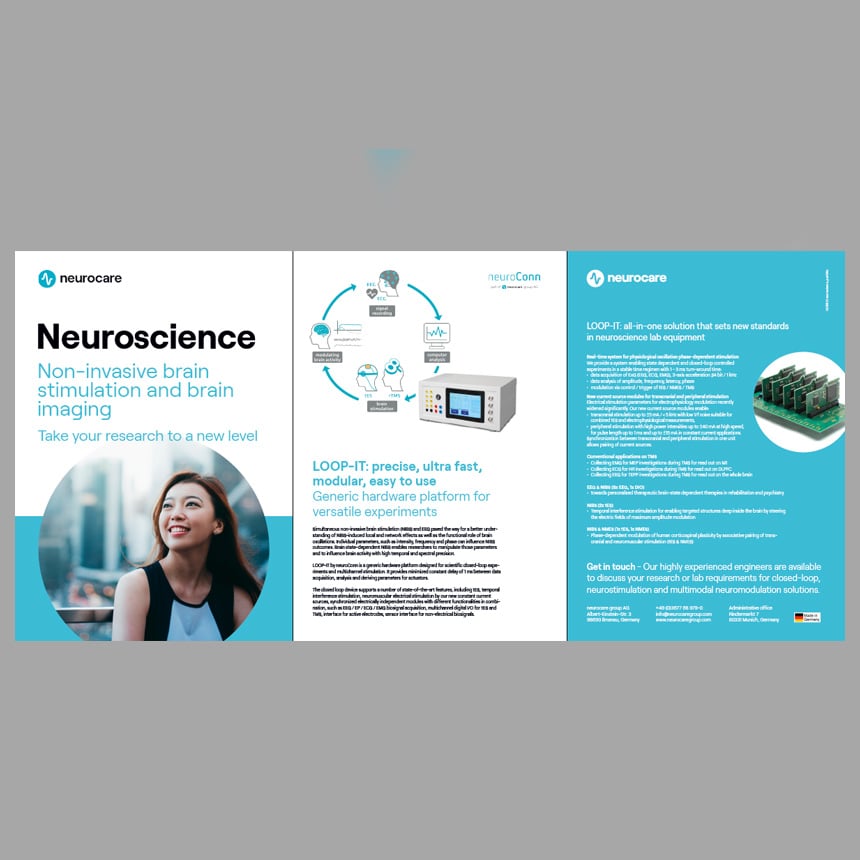
Portfolio for research incl. LOOP-IT

Temporal Interference Stimulation

LOOP-IT: sets new standards in neuroscie...
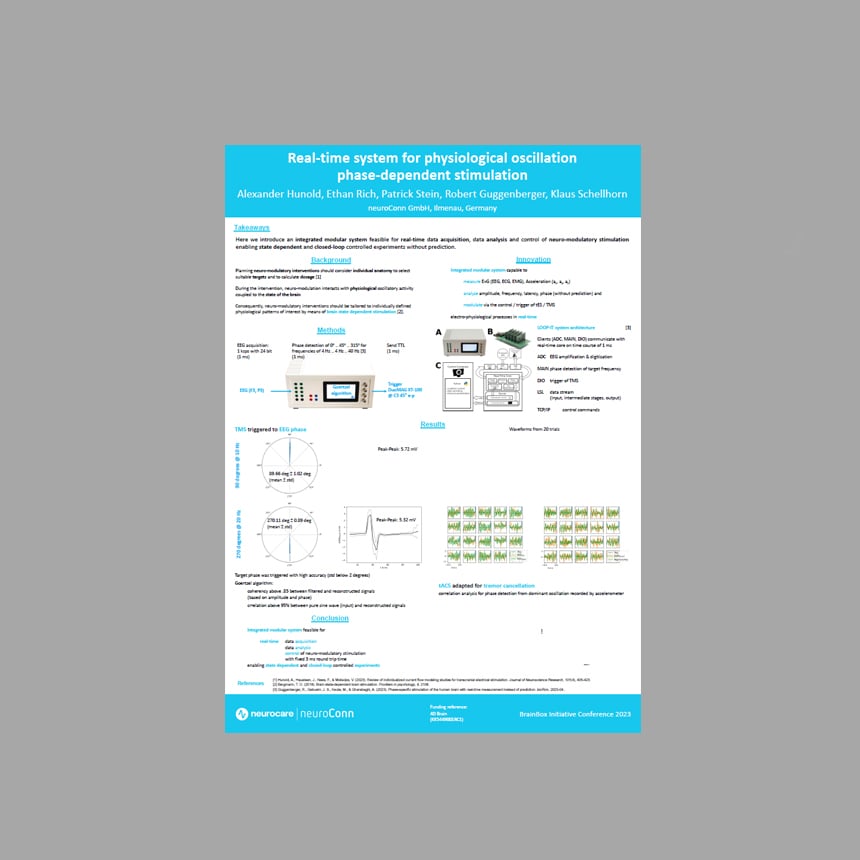
Poster

Real-time system for physiological oscillation phase-dependent stimulation

Poster

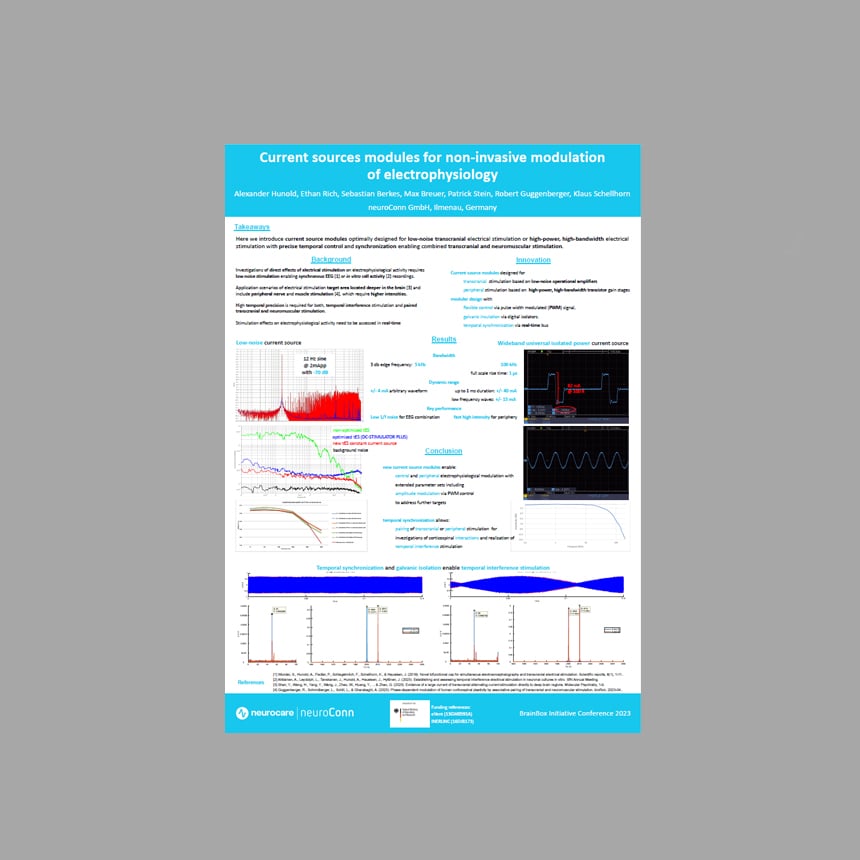
Current sources modules for non-invasive modulation of electro­physiology

Accessories

We offer a wide range of accessories for EEG acquisition and tES application, including electrodes of various dimensions and shapes, cables, caps and conduction pastes. Products can be ordered individually or in a set. We will also be happy to advise you which electrodes are best suited for your project.
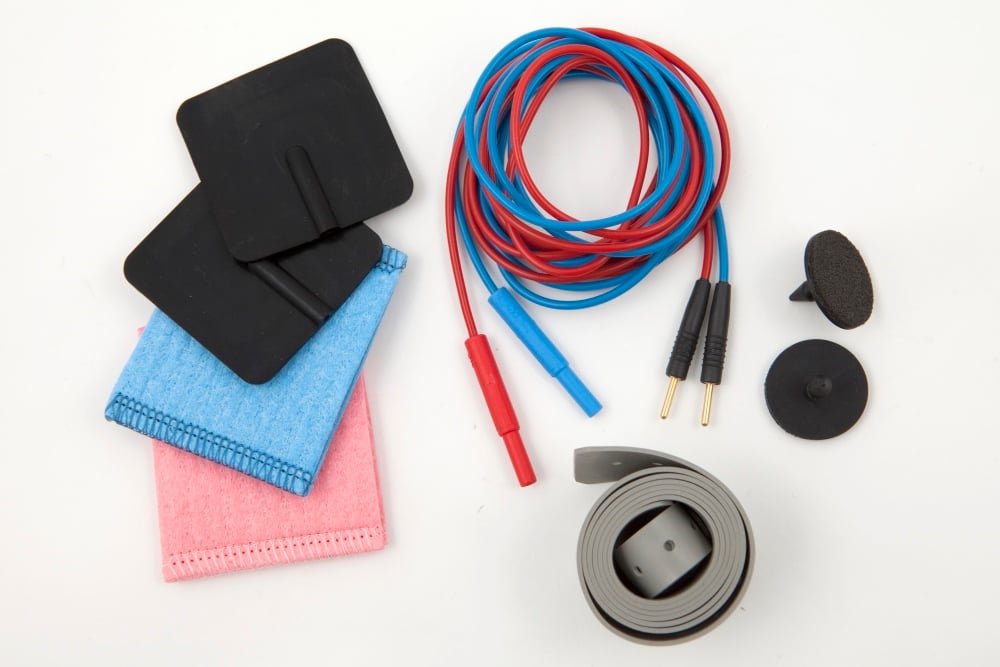

For EEG acquisition
For tES application

products_dc_stimulator_5-1
 

Our highly experienced engineers are available to discuss your research or lab requirements for closed-loop, neurostimulation and multimodal neuromodulation solutions.

Enquire today

We are here to help you find the right technology and training for your practice or research

Learn more about our best practice platform and clinics

Subscribe to Newsletter

Copyright © neurocare group AG 2026