Home tDCS therapy
neurocare brings clinically supervised tDCS programs to Australia, using innovative cap technology to make treatments easier to deliver and more comfortable.
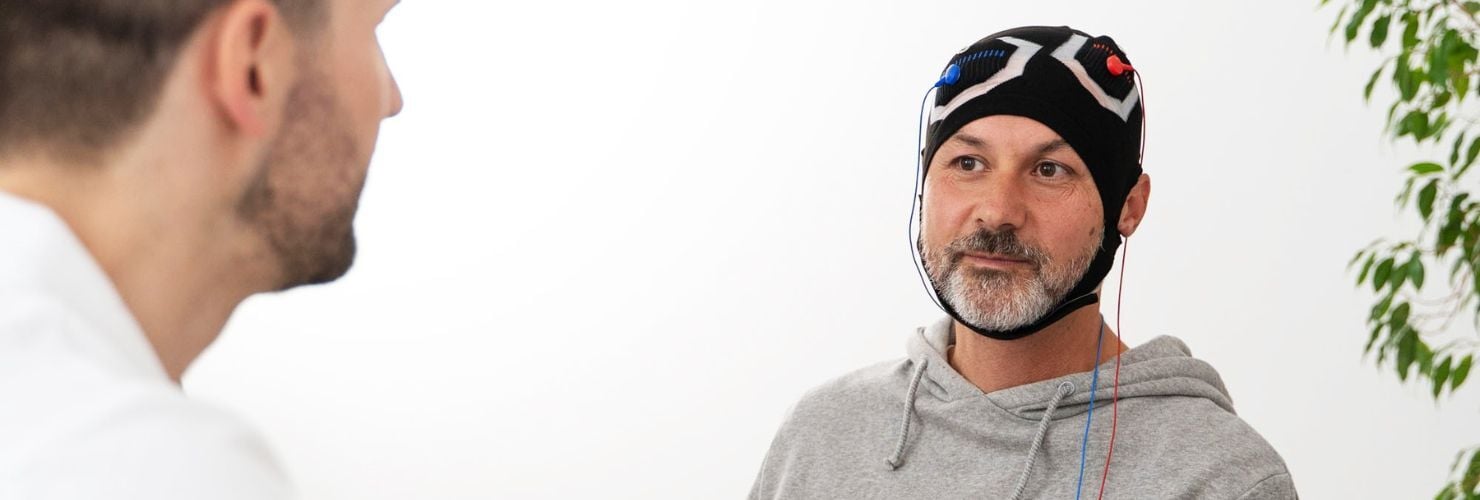
Transcranial Direct Current Stimulation (tDCS) is a safe, non-invasive therapy that uses a very mild electrical current to subtly adjust brain activity in regions linked to mood. Through small scalp electrodes, it can help improve emotional stability and cognitive function.
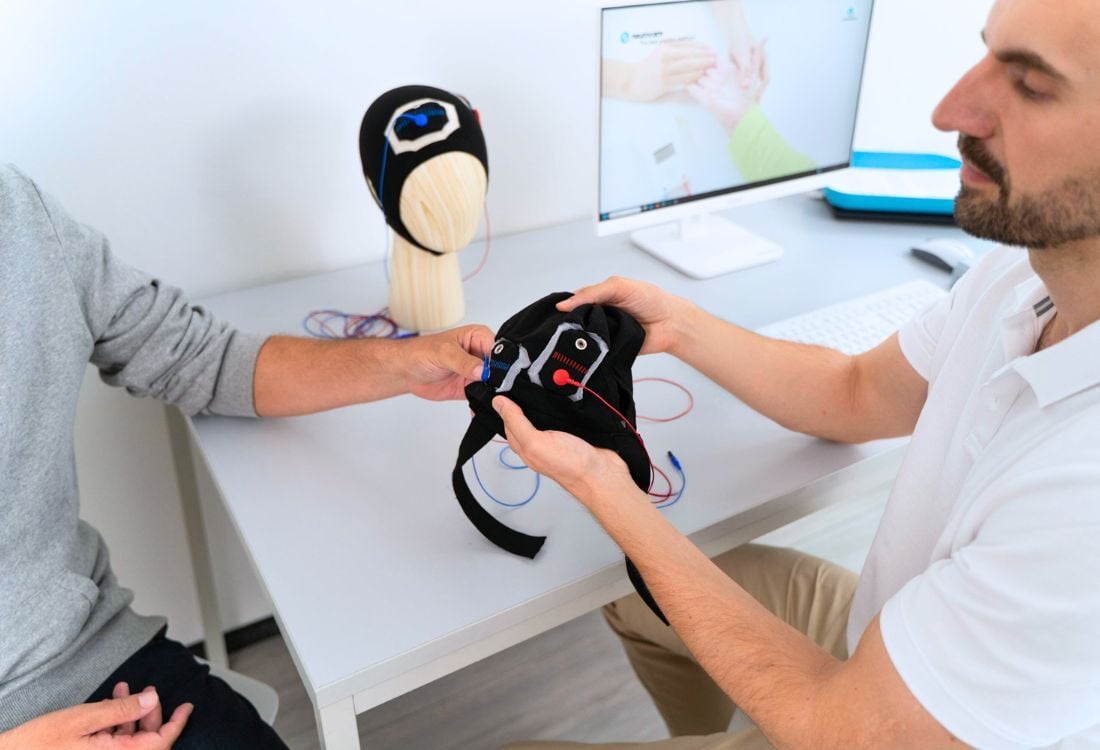
Unlike TMS, tDCS is portable and can be used at home with a lightweight, battery-powered device. After training by a clinician, patients can safely self-administer sessions, usually while relaxing or doing light activities, with very minimal to no noticeable side-effects.
Studies in Australia and worldwide indicate that tDCS can ease symptoms of depression and some neurological conditions, offering an alternative for people who do not tolerate medications well or find regular clinic visits difficult.
How does tDCS work?

tDCS may be suitable for individuals experiencing depression—particularly those who have not responded well to medications or who prefer a non‑drug, low‑intensity approach. It is also used in clinical settings to support mood, cognitive function, and certain neurological conditions when assessed as appropriate by a clinician.
Your practitioner will help determine if tDCS is a good fit based on your symptoms, history, and treatment goals.
Who can benefit from tDCS?
tDCS may be suitable for individuals experiencing depression, especially those who haven’t responded well to medication or who prefer a low‑intensity, non‑drug option. It is also used in clinical settings to support chronic pain, addiction‑related craving, motor recovery after stroke or in Parkinson’s disease, and cognitive functioning in Mild Cognitive Impairment and early Alzheimer’s disease.
Your practitioner will help determine whether tDCS is a good fit based on your symptoms, history, and treatment goals.
Advantages of tDCS
Gentle, low‑intensity stimulation
Painless and well tolerated, with minimal and typically mild side effects, so patients can stay engaged in daily activities throughout their course of treatment.
Medication free
Whilst tDCS is an option for those seeking a drug free treatment, it is still possible to take any prescribed medication during tDCS treatment, under supervision.
Two-thirds of people with depression don’t get adequate relief from the first antidepressant they try, and each subsequent medication tried is less likely to help than the one prior. For those looking for a medication-free treatment for depression, neurostimulation techniques may be a highly effective option.
Can be administered from home
Portable and suitable for daily use outside the clinic, helping patients continue their treatment at home when regular clinic visits are difficult or have been a barrier to receiving effective care.
Flexible and non‑invasive
Supports mood and cognitive benefits
Growing body of clinical evidence shows meaningful improvement in depressive symptoms, alongside measurable support for healthier neural activity and brain function.
Technology for clinical use
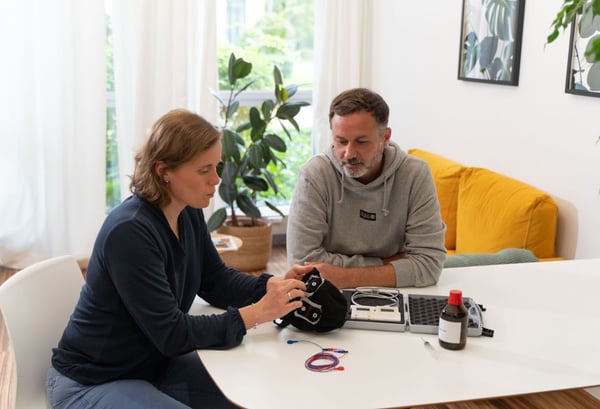
At neurocare, we use high-quality, research-grade devices with proven reliability. Unlike unregulated consumer stimulators, clinical‑grade German‑made systems like the neuroConn DC‑STIMULATOR are widely used in research institutions for safe, precise, protocol‑controlled tDCS.
What to expect doing tDCS ?

Each session is relaxed—you can read, watch TV, or engage in a light mental activity to support treatment effectiveness. Afterward, you can continue your day as normal.

Frequently Asked Questions about tDCS
-
Yes. When used within recommended guidelines and with proper training, tDCS is considered safe with minimal side effects. The most common sensation is mild scalp tingling.
-
TMS uses stronger magnetic pulses and requires clinic visits. tDCS uses gentler electrical currents and can be delivered at home, making it more accessible.
-
Yes. Most people read, relax, or do cognitive exercises during a session, which can even enhance treatment effects.
-
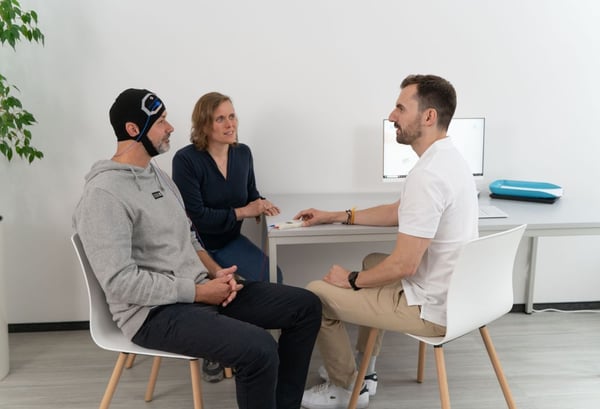
A trained clinician or mental health professional will assess you, provide personalised instructions, and ensure you feel confident using the device safely at home.
Find a clinic