






What Comes After Response? New Consensus on Maintenance TMS for Depression
March 12, 2026 - neurocare group

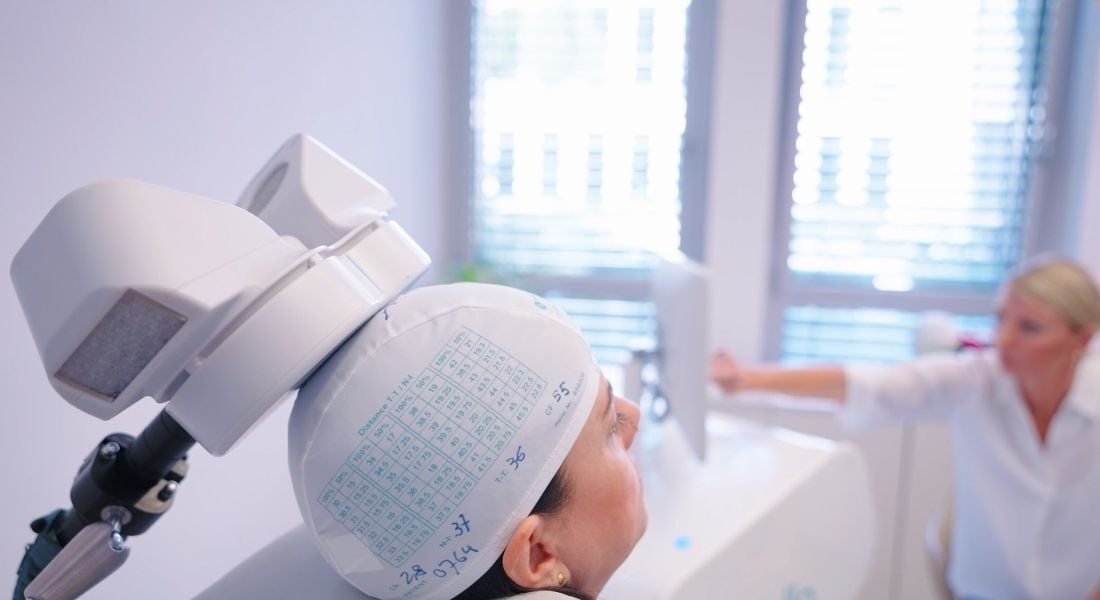
As more clinicians and patients experience the rapid benefits of TMS for acute depression, conversations are naturally shifting beyond the initial treatment course. Attention is increasingly turning to how best to manage expectations when additional support—such as tapering, top‑up, or maintenance sessions—may be needed after the acute phase.
What is TMS and why are 'maintenance' sessions needed?
TMS is an effective and intensive treatment, most commonly delivered in daily sessions of around 20 minutes over a course of 20 to 30 treatments. For many patients, meaningful clinical improvement occurs relatively quickly, often within six to eight weeks. This rapid response is one of the strengths of TMS—but it also raises practical questions about how best to sustain these gains over time.
In everyday clinical practice, a range of approaches are already being used to support patients after an initial response. Some clinics gradually reduce session frequency, others offer planned follow‑up sessions, and many rely on retreatment if symptoms return. Until recently, however, these approaches have been described inconsistently, despite being well‑established in routine care.
A recently published consensus paper from the Dutch‑Flemish Brain Stimulation Foundation brings helpful clarity to this space. Drawing on available evidence and real‑world clinical experience, the authors outline different post‑acute strategies currently used in practice, highlight where these appear most effective, and clearly acknowledge where further research is still needed.
What the paper looked at
The authors identified 22 studies reporting original data on maintenance treatment with rTMS in patients with depression. The included studies comprised one randomized controlled trial and multiple open‑label and observational studies. In parallel, survey data were collected from 11 Dutch institutions to capture real‑world implementation of maintenance strategies.
Two consensus meetings involving experts from the Netherlands and Flanders, along with structured input from patient representatives, were used to interpret the evidence and formulate recommendations. While the conclusions are rooted in regional clinical experience, the authors note that the underlying principles may be applicable to TMS practice in other healthcare systems around the world.
Conceptualization of Maintenance Treatment Strategies
The consensus statement introduces a clear conceptual framework that distinguishes between three approaches to sustaining the therapeutic effects of rTMS following acute treatment: tapering, maintenance rTMS, and retreatment.
"Tapering" approach to TMS treatment
Tapering is defined as the gradual reduction of rTMS session frequency after successful acute treatment. Evidence from the reviewed studies suggests that tapering may support the maintenance of clinical improvement and reduce early relapse risk, particularly when the tapering schedule is guided by symptom monitoring rather than fixed time intervals. Tapering may also serve as a transition toward longer‑term maintenance strategies.
"Maintenance" TMS
Maintenance TMS refers to the scheduled delivery of TMS sessions at fixed intervals with the aim of preventing recurrence. Two approaches are described:
- Single‑session maintenance protocols, typically delivered once every one to two weeks, show mixed and inconsistent evidence.
- Clustered maintenance protocols, most commonly consisting of five sessions administered over two to five consecutive days on a monthly basis, demonstrate the most consistent signal of clinical benefit, although controlled data remain limited.
TMS "Retreatment"
Retreatment involves initiating a new course of TMS in response to symptom worsening, relapse, or recurrence after an initial response. Across both the literature and survey data, retreatment was effective in the majority of patients who previously responded to acute TMS, often requiring fewer sessions to re‑establish therapeutic benefit. Retreatment was also reported as the most frequently applied strategy in routine clinical practice.
Clinical Considerations and Patient Involvement
The consensus emphasizes that maintenance treatment with rTMS should be individualized rather than protocol‑driven. Structured symptom monitoring using validated rating scales is considered essential to guide treatment decisions. Early discussion of maintenance options during the acute treatment phase is recommended to align expectations and facilitate continuity of care.
Patient representatives highlighted the importance of shared decision‑making, flexible scheduling, and transparent communication regarding treatment pathways. These elements were identified as key factors supporting long‑term engagement with rTMS and adherence to maintenance strategies.
Limitations and Future Research Directions
Despite increasing clinical use, the evidence supporting maintenance rTMS remains limited and largely uncontrolled. The consensus statement underscores the need for adequately powered randomized controlled trials directly comparing tapering, maintenance, and retreatment strategies, as well as studies examining long‑term outcomes and optimal dosing schedules.
The authors stress that future research should aim to establish standardized protocols and outcome measures to support evidence‑based implementation of maintenance rTMS in clinical practice.
Conclusion
This consensus statement represents an important step toward structuring maintenance treatment with rTMS for depression. By differentiating between tapering, maintenance, and retreatment approaches and integrating empirical evidence with real‑world clinical experience, it provides a pragmatic framework for clinicians while clearly acknowledging the limitations of the current evidence base.
If you are working with rTMS and have ever faced the question
“What should we do after remission?” this paper is highly relevant to your practice.
Healthcare Professionals interested in taking a step further with TMS training or workshops are invited to take a look at the online and in‑person training options offered by the neurocare academy.