Unlocking the Power of Neuroplasticity: Insights from Dr. Joshua Brown on TMS and the Future of Brain Health
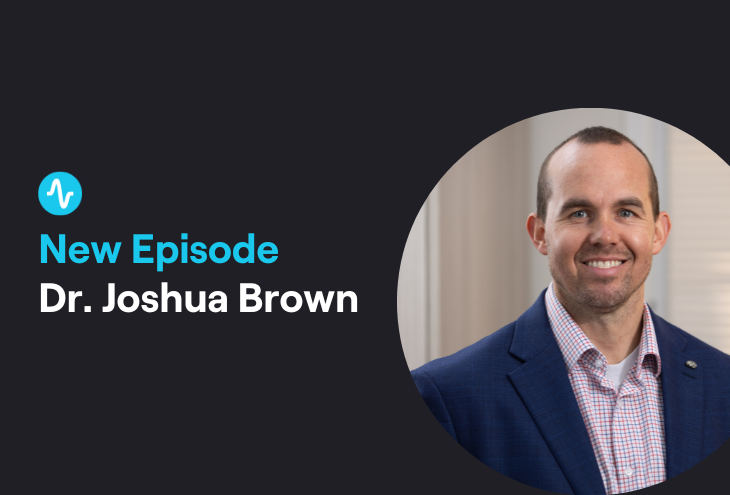
The field of transcranial magnetic stimulation (TMS) is rapidly evolving, driven by new discoveries in neuroplasticity and brain health. In a recent interview, Dr. Trevor Brown sat down with Dr. Joshua Brown, Assistant Professor of Psychiatry at Harvard Medical School, to discuss the science behind TMS, the importance of personalized care, and the future of mental health treatment.
Watch the full video or listen to our podcast.
Honoring a Pioneer: Dr. Nolan Williams
Dr. Brown began by reflecting on the legacy of Dr. Nolan Williams, whose innovative work in TMS has shaped the field and inspired countless clinicians and researchers. Dr. Williams’ commitment to advancing brain stimulation and his mentorship left a lasting impact, reminding us of the importance of supporting one another and prioritizing wellbeing in high-pressure environments.
The Science of Neuroplasticity
Dr. Brown’s research centers on neuroplasticity—the brain’s ability to adapt and change through learning and experience. He explains that synaptic plasticity is the cellular foundation of learning, memory, and recovery, and is central to the effectiveness of TMS. By understanding how TMS protocols interact with neuroplastic mechanisms, clinicians can better tailor treatments to individual patients and optimize outcomes.
Evolving TMS Protocols
One of the biggest challenges in TMS is selecting the right protocol for each patient. Dr. Brown discusses the complexities of protocol selection, coil orientation, and session scheduling, emphasizing that there is no one-size-fits-all approach. Ongoing research is exploring how different parameters—such as pulse number, session frequency, and brain targets—affect neuroplasticity and clinical results.
The Role of Sleep and Lifestyle
Dr. Brown highlights the critical role of sleep, diet, exercise, and social engagement in supporting brain health and enhancing the effects of TMS. His research shows that addressing insomnia and optimizing lifestyle factors can significantly improve treatment outcomes, underscoring the need for holistic care in mental health.
Looking Ahead: Innovation and Individualization
The future of TMS lies in bridging clinical practice with cutting-edge neuroscience. Dr. Brown is excited about new research into accelerated protocols, pharmacological augmentation, and individualized targeting—developments that promise to make TMS even more effective for depression and other conditions.
As the field continues to grow, neurocare remains committed to sharing the latest insights and supporting clinicians and patients on their journey to better brain health.