






From Laboratory to Clinic: The Evolving Landscape of tES Technologies
December 2, 2025 - neurocare group

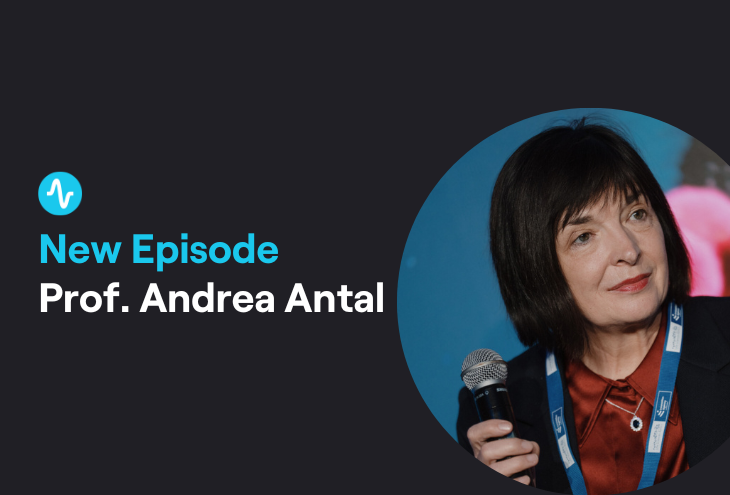
From Laboratory to Clinic: The Evolving Landscape of tES Technologies, with Professor Anrdea Antal
Professor Andrea Antal, Vice President of the European Society for Brain Stimulation, discusses the current scientific, regulatory, and clinical landscape of transcranial electrical stimulation (tES) and related technologies. With over 25 years of experience, Professor Antal has played a significant role in developing safety guidelines and advancing research in this field.
A new interview with Professor Antal, now published on YouTube, explores these topics in depth. Watch the interview here.
Career and Research Background
Andrea Antal began her scientific career in Hungary, later conducting research in the United States and Germany. She currently leads the Non-Invasive Brain Stimulation Laboratory at the University Medical Center Göttingen. Her work spans electrophysiology, safety and ethical standards, and the development of new stimulation protocols.
Safety and Ethical Considerations
Safety is a central concern in the application of brain stimulation techniques. Professor Antal emphasizes that while tES and related methods are generally well-tolerated, rigorous safety protocols and clinician oversight are essential. International guidelines, developed through collaborative efforts, provide a framework for safe and effective use in both research and clinical settings.
Regulatory Environment
Recent changes in European medical device regulations have introduced new requirements for the approval and use of brain stimulation devices. These changes have increased the complexity and duration of research approvals, particularly for studies involving new protocols or indications. The scientific community continues to engage with regulatory bodies to ensure that regulations are informed by current evidence and support both innovation and patient safety.
Accessibility and Clinical Application
The interview addresses the need for broader access to neuromodulation therapies. While high-quality devices and protocols are available, factors such as regulatory processes and reimbursement policies can affect accessibility. Collaborative research and harmonized training standards are important steps toward making these treatments more widely available.
Home-Based and Personalized Therapies
There is growing interest in supervised home-based brain stimulation, which can increase convenience and access for patients. Professor Antal supports the development of remotely supervised protocols, provided that clinician oversight is maintained to ensure safety and efficacy. Personalization of treatment, including the use of biomarkers and individualized protocols, is an active area of research, though practical implementation remains challenging.
Direct-to-Consumer and DIY Devices
The proliferation of do-it-yourself and direct-to-consumer brain stimulation devices raises safety and ethical concerns. Professor Antal advises that only clinically validated, quality-engineered devices should be used, and always under professional supervision. This approach minimizes risks and supports optimal outcomes.
Future Directions
Research is ongoing to improve the precision and effectiveness of brain stimulation, including the development of new stimulation modalities and the identification of biomarkers for personalized treatment. Efforts are also underway to streamline regulatory processes and expand access to therapies, with the goal of ensuring that advances in neuromodulation benefit a broad patient population.
Conclusion
Professor Andrea Antal’s insights highlight the progress and ongoing challenges in non-invasive brain stimulation. Continued collaboration among researchers, clinicians, and regulatory bodies is essential for advancing the field and ensuring safe, effective, and accessible treatments.